


Dry Eye Treatment
Dry eyes are more than occasional irritation. Burning, redness, watery eyes, blurry or fluctuating vision, a gritty sensation, and contact lens discomfort can all be signs that your eyes are not producing enough tears or that the tears you produce are not functioning properly.
At Eyes on Brickell, we take a comprehensive diagnostic approach to dry eye. We evaluate the ocular surface, tear film, and meibomian glands to understand what may be contributing to your symptoms and determine which treatment options may be appropriate.
If you are looking for dry eye treatment in Brickell, our team provides evaluation and care for persistent or recurring dry eye symptoms.
What Is Dry Eye Disease?
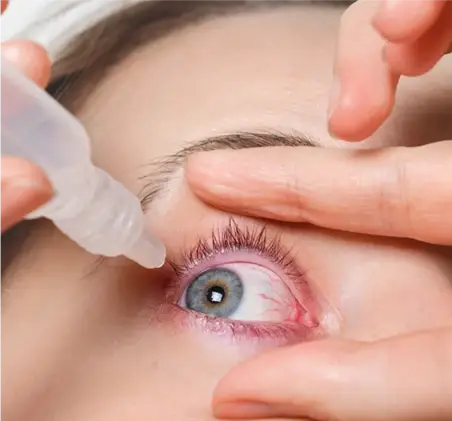
Dry eye disease occurs when your eyes do not produce enough tears or when the tears produced are of poor quality. Tears help lubricate the surface of the eyes, wash away debris, protect the ocular surface, and support clear vision.
Dry eye can become a chronic condition and may interfere with reading, computer use, contact lens wear, and other everyday activities. Persistent symptoms should be evaluated to determine the underlying cause and appropriate treatment.
Common Dry Eye Symptoms
You may benefit from a dry eye evaluation if you experience:
- Burning, stinging, or irritation.
- Red or watery eyes.
- A gritty or sandy sensation.
- Fluctuating or blurry vision.
- Sensitivity to light.
- Eye fatigue.
- Contact lens discomfort.
- Difficulty wearing contacts for long periods.

If these symptoms occur regularly, a dry eye doctor in Brickell can evaluate your eyes and determine whether an underlying condition is contributing to your discomfort.
What Causes Dry Eyes?

Age

Hormonal Changes

Medical Conditions

Contact Lens Use

Environmental Factors

Prolonged Screen Time

Eye Surgery

Medications
Understanding these factors can help your eye care professional determine which dry eyes treatment in Brickell may be appropriate for you.
How Is Dry Eye Diagnosed?
A comprehensive eye exam may be combined with specialized testing to evaluate tear production, tear-film stability, the meibomian glands, and ocular surface health.
OCULUS Keratograph 5M
The OCULUS Keratograph 5M provides a comprehensive, non-invasive evaluation of the ocular surface and tear film through one platform.
Depending on your individual needs, the technology can provide:
- Meibography: Visualizes meibomian gland loss and signs associated with Meibomian Gland Dysfunction (MGD).
- NIKBUT: Objectively measures tear-film stability.
- Tear Meniscus: Evaluates tear volume.
- Lipid Layer Analysis: Helps identify problems associated with evaporative dry eye.
- Redness Analysis: Documents ocular-surface redness and inflammation.
- Patient-Friendly Reports: Provides visual information about dry eye findings and can demonstrate changes before and after treatment.
This testing provides objective information that can support diagnosis, patient education, and treatment planning.
Other Dry Eye Tests
Depending on your symptoms and examination findings, additional testing may include:
- Schirmer’s Test: Measures tear production using a small strip of filter paper placed under the lower eyelid.
- Tear Breakup Time (TBUT): Evaluates how long the tear film remains stable before breaking up.
- Fluorescein or Lissamine Green Staining: Helps identify areas of dryness or damage on the ocular surface.
- Meibomian Gland Evaluation: Examines the eyelid glands responsible for producing the oily component of the tear film.
- Inflammation Testing: May be used when inflammation is suspected to contribute to dry eye symptoms.
These findings help our dry eye specialist in Miami determine which treatment options may be suitable for your condition.
Our Dry Eye Treatments
Treatment depends on the underlying cause and severity of your symptoms. Your plan may include one or more of the following options.
IPL — Intense Pulsed Light
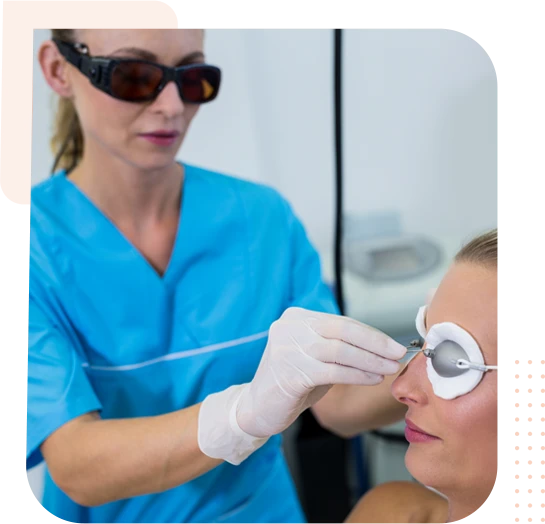
IPL is an advanced in-office treatment that can help patients with dry eye associated with Meibomian Gland Dysfunction (MGD) and inflammation.
Controlled pulses of light are applied to the skin around the eyes to help reduce inflammation and improve meibomian gland function. These glands produce the oily layer of the tear film, which helps prevent tears from evaporating too quickly.
For appropriate patients, a series of IPL treatments may help improve tear quality and reduce dry eye symptoms.
Meibomian Gland Expression
When meibomian glands become blocked or dysfunctional, the oils needed to protect the tear film may not flow properly, contributing to evaporative dry eye.
Meibomian gland expression gently clears blocked glands and helps restore the natural flow of oils onto the ocular surface. It may be performed alone or combined with treatments such as IPL.
Scleral Lenses
For patients with moderate to severe dry eye, scleral lenses can provide vision correction while supporting ocular surface comfort.
Unlike traditional contact lenses, scleral lenses vault over the cornea and create a reservoir of preservative-free fluid between the lens and the eye. This helps keep the cornea hydrated while the lenses are worn.
BelpheRx Lid Cleaning
Proper eyelid care can be part of managing dry eye, Meibomian Gland Dysfunction, and blepharitis.
BelpheRx Lid Cleaning is designed to help remove excess oil, bacteria, debris, biofilm, scales, and crusts that can accumulate around the eyelids and eyelashes. Keeping the eyelids clean may help reduce symptoms such as itching, redness, burning, dryness, and discomfort.
BelpheRx should be used according to the manufacturer’s directions or as recommended by your eye care professional.
LipiFlow
LipiFlow is another treatment option for dry eye associated with Meibomian Gland Dysfunction (MGD). It uses focused heat and controlled pressure around the eyelids to help address blockages in the meibomian glands.
LipiFlow is performed in an eye care setting under professional supervision and may not be appropriate for every patient.
Personalized At-Home Care
Depending on your condition, your treatment plan may also include a home-care routine to help maintain results. This may include:
- Preservative-free artificial tears
- Warm compresses
- Eyelid hygiene
- Specialized eye drops
- Lifestyle or environmental modifications
- Contact lens adjustments
If you are searching for the best eye drops for dry eyes in Miami, an eye care professional can help determine which type may be appropriate for your symptoms rather than relying on a one-size-fits-all option.
Personalized Dry Eye Care at Eyes on Brickell
There is no single treatment that works for every dry eye patient. The appropriate approach depends on factors such as tear-film stability, meibomian gland function, inflammation, contact lens use, and environmental factors.
At Eyes on Brickell, we use diagnostic evaluation to understand your individual condition and select treatments that fit your needs. Whether you are experiencing persistent dry eyes in Brickell or looking for specialized care, the goal is to address the factors contributing to your symptoms.
As a Brickell dry eye center, we provide diagnostic evaluation and treatment options for patients seeking specialized dry eye care.
Book a Dry Eye Evaluation
Persistent dry eye symptoms can affect your comfort, vision, screen use, and ability to wear contact lenses. If these symptoms continue, a professional evaluation can help identify their underlying cause and guide the right treatment.
At Eyes on Brickell, patients can receive personalized care from a dry eye specialist in Miami based on their symptoms and eye health.
