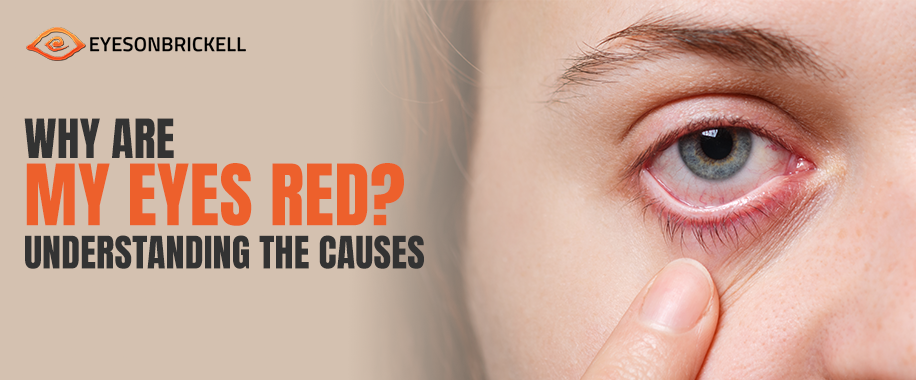
Why Are My Eyes Red? Understanding the Causes and Red Eye Treatment Options
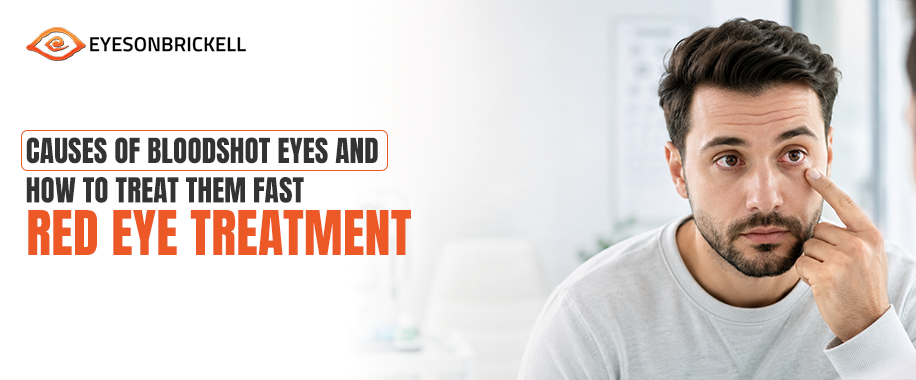
You look in the mirror after a long workday and notice your eyes appear red and irritated, with visible blood vessels. At that moment, the most common reaction is to reach for redness relief eye drops from the drugstore.
However, these drops often only provide short-term relief. They work by temporarily shrinking the blood vessels in the eye, which reduces redness for a while. Once the effect wears off, the vessels can expand again, and the redness may return even more noticeably.
Instead of masking the surface, finding permanent relief requires a proper medical red eye treatment that addresses the actual root cause of the inflammation.
What Actually Causes Red Eyes?
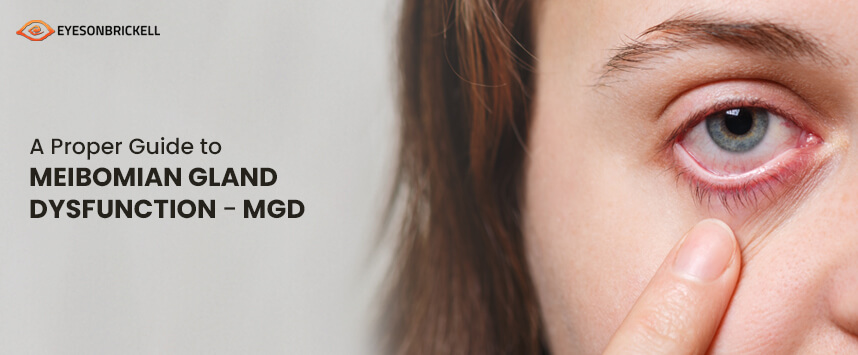
Redness happens when the tiny blood vessels on the white surface of the eye (the sclera) become irritated or inflamed. Different environmental and physiological triggers can cause this, and each one requires a highly specific, clinical approach to red eye treatment.
Dry Eye Imbalance
A staggering percentage of chronic redness is caused by Evaporative Dry Eye, rooted in Meibomian Gland Dysfunction (MGD). When the tiny oil glands in your eyelids become blocked, your tears lack the lipid layer needed to seal moisture, causing rapid evaporation, surface friction, and bloodshot irritation.
Screen Strain
Long hours staring at phones, laptops, or computers drastically reduces your natural blink rate. This breaks down your protective tear film, exposing the delicate ocular surface directly to air vents and causing immediate redness.
Allergies
Environmental allergens like dust, tropical pollen, and urban pollution trigger mast cells to release histamines, which leads to noticeable swelling of blood vessels in the eyes. Many people searching for a permanent red eye treatment in Miami often later discover that chronic allergies are the underlying cause of their symptoms.
Contact Lens Use
Wearing contacts past their expiration or for too many hours a day cuts off vital oxygen from reaching your cornea, forcing surface blood vessels to swell outward to compensate.
Eye Infections
Pathogens can cause deep inflammatory redness accompanied by swelling, light sensitivity, or discharge, which requires prompt, targeted red eye treatment to prevent corneal scarring.
Environmental Factors
Dry skyscraper air conditioning, tobacco smoke, and heavy pool chlorine can rapidly dehydrate and burn the eye surface, especially in busy urban settings.
When Red Eyes Need Medical Attention
Not every red eye is serious, but structural warning signs should never be ignored. You need a professional red eye treatment in brickell if:
- Redness lasts several days without clearing.
- Burning, gritty sensations, or physical eye pain get worse.
- Vision becomes blurry, hazy, or fluctuates when reading.
- One eye stays deep red while the other looks completely normal.
- Over-the-counter drops only provide short, temporary relief.
In these situations, a specialist can help find the real cause instead of just treating the surface symptom. Many people delay care and rely entirely on drugstore drops, but a professional eye treatment often finds that untreated surface irritation can become more persistent over time.
How Specialists Find the Cause
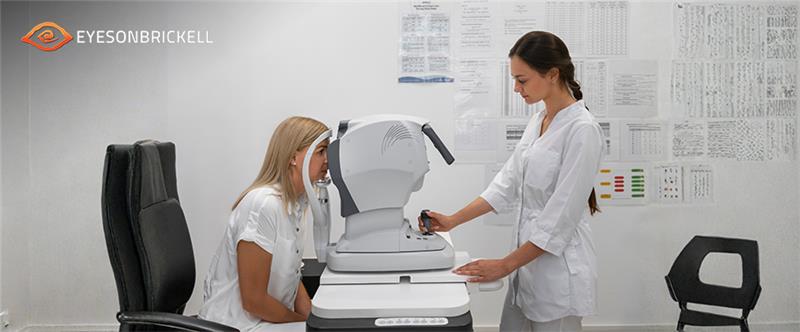
Before starting any medical red eye treatment, specialists utilize advanced diagnostic tools to look closely at what is happening across the ocular surface.
This comprehensive testing does not rely on guesswork and includes checking:
| Diagnostic Area | What Specialists Check | Why It Matters |
|---|---|---|
| Tear quality and stability | How quickly the tear film breaks up on the eye surface | Shows whether the eye is properly lubricated and protected |
| Signs of inflammation | Presence of redness, swelling, or irritation on the eye surface | Helps identify underlying irritation or ocular surface disease |
| Eyelid gland function | Condition of meibomian glands and whether they are blocked or functioning properly | Determines if oil layer imbalance is causing dryness and redness |
| Allergy-related triggers | Whether symptoms are linked to allergic reactions or histamine response | Helps separate allergy-driven redness from other causes |
| Possible infections | Signs of bacterial or viral infections like conjunctivitis | Ensures proper treatment for infections that require medical care |
This detailed diagnostic step matters because two people can have red eyes for completely different reasons, even if the symptoms look identical in the mirror.
Treatment Options That Actually Help
Once the root cause is clear, clinical treatment becomes highly focused and effective. A proper, professional red eye treatment plan bypasses generic remedies and may include:
- Prescription-grade anti-inflammatory or immunomodulator eye drops.
- Targeted allergy management using specialized muscle or mast-cell stabilizers.
- Eyelid hygiene routines, such as BelpheRx lid cleaning to remove biofilm.
- Thermal gland therapies like LipiFlow to clear hardened blockages.
For patients suffering from severe chronic dry eye redness, a modern plan may include in-office Intense Pulsed Light (IPL) Therapy. This advanced, non-invasive technology applies controlled light pulses to the skin around the eyes to safely melt away meibomian gland blockages, reduce abnormal blood vessel inflammation, and improve natural oil flow.
The goal is not just to make the redness fade temporarily, but to stabilize your tear film so it stops coming back.
Why Red Eyes Keep Returning
When redness keeps coming back daily, it is a medical sign that the root cause has not been fully resolved. Common reasons for recurring symptoms include:
- Ongoing, untreated dry eye syndrome and chronic gland blockages.
- Continued unmanaged digital screen strain at the office.
- Environmental allergies that haven’t been properly counteracted.
- Temporary visual relief from vasoconstrictor drops that worsen the underlying tissue layout.
Without a proper diagnostic red eye treatment, your surface symptoms will continue to cycle through temporary improvements and painful flare-ups.
Get Lasting Relief at Eyes on Brickell
Red eyes are your body’s way of signaling that your ocular surface is out of balance. While they may seem like a minor cosmetic issue at first, repeated redness should not be ignored or masked with clearing drops. A proper, medically backed red eye treatment approach helps identify the real cause and provides lasting relief instead of a temporary fix.
If your symptoms continue, seeing a specialist can help identify the cause and improve your vision and comfort.
If you are ready to secure your eye health, visit Eyes on Brickell at 2885 SW 3rd Ave, Suite 100, Miami, FL 33129 for a complete medical evaluation today.
FAQs
1. How long does a clinical red eye treatment take to show visible results?
For dryness or screen strain, clinical treatments can noticeably reduce surface inflammation and clear up bloodshot veins within a few days to two weeks.
2. Why do my contact lenses always make my eyes look bloodshot by the afternoon?
Lenses limit oxygen to your cornea. Combined with dry office AC, your surface blood vessels are forced to swell rapidly to compensate for the lack of oxygen.
3. Can Miami’s year-round climate and allergy seasons worsen ocular redness?
Yes. Tropical pollen, intense UV rays, saltwater, and pool chlorine trigger localized allergic reactions that release histamines, causing prominent swelling and itchy, red veins.
4. Is IPL therapy safe for clearing up chronic redness caused by dry eye?
Yes. Intense Pulsed Light is a safe, non-invasive treatment that melts gland blockages, calms abnormal blood vessel inflammation, and improves your natural oil flow.
5. What should I bring to my appointment for a red eye treatment Miami evaluation?
Bring your eyeglasses, contact lens boxes, a list of daily medications, and any over-the-counter drops you currently use so the specialist can review them.