Dry Eye Management with IPL: Can IPL Treatment Cure Chronic Dry Eye?
Millions of people struggle with the discomfort of Dry Eye Disease, a condition that causes irritation, burning, redness, and blurred vision. For many individuals, traditional treatments like artificial tears or prescription eye drops provide only temporary relief. This has led eye specialists to explore advanced options such as Intense Pulsed Light (IPL) Therapy or dry eye management with IPL.
But the big question many patients ask is: Can IPL treatment actually cure chronic dry eye?
In this blog, we’ll explain how IPL works, who it helps, and what eye doctors want patients to know about this innovative solution.
Understanding Chronic Dry Eye
Dry eye occurs when your eyes do not produce enough tears or when the quality of tears is poor. Tears are essential for keeping the eyes lubricated, clear, and comfortable.
Common symptoms include:
- Burning or stinging sensation
- Red or irritated eyes
- Blurred or fluctuating vision
- Sensitivity to light
- Feeling like something is stuck in the eye
In many cases, chronic dry eye is linked to Meibomian Gland Dysfunction (MGD). These glands produce the oil layer of tears, which prevents tears from evaporating too quickly. When they become blocked or inflamed, the tear film becomes unstable, leading to persistent dryness.
What Is IPL Treatment for Dry Eye?
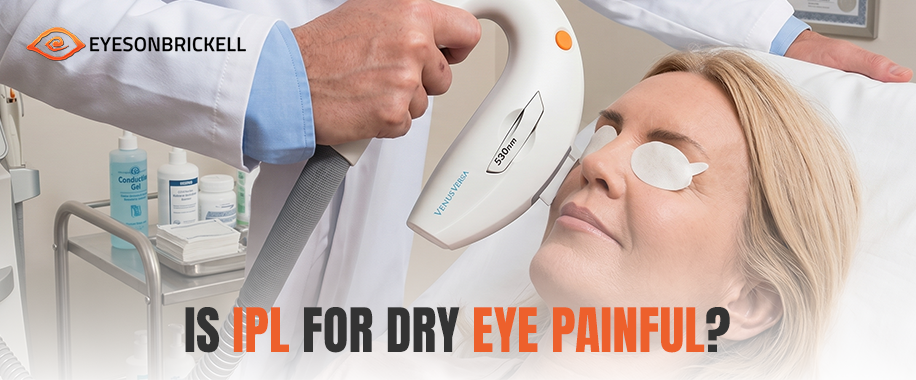
Intense Pulsed Light (IPL) Therapy is a non-invasive treatment originally developed for dermatology but now widely used in eye care to manage chronic dry eye.
IPL uses gentle pulses of light applied to the skin around the eyes. This light energy helps:
- Reduce inflammation around the eyelids
- Improve the function of the meibomian glands
- Melt thickened oils blocking the glands
- Stabilize the tear film
By targeting the root cause of dry eye, especially gland dysfunction, IPL can provide longer-lasting relief compared to temporary treatments.
Can IPL Cure Chronic Dry Eye?
The honest answer from most eye doctors is not exactly, but it can significantly improve the condition.
Dry eye is usually a chronic condition, meaning it cannot always be permanently cured. However, IPL treatment can:
- Restore healthier gland function
- Reduce inflammation in the eyelids
- Improve tear quality
- Provide long-term symptom relief
For many patients, IPL dramatically reduces symptoms and decreases dependence on artificial tears or medications.
Who Is a Good Candidate for IPL Treatment?
IPL is particularly effective for patients whose dry eye is caused by Meibomian Gland Dysfunction.
You may benefit from IPL if you experience:
- Chronic dry eye symptoms
- Redness around the eyelids
- Frequent need for artificial tears
- Poor response to standard dry eye treatments
- Screen-related eye strain
An eye doctor will perform a thorough evaluation to determine if IPL is the best treatment option.
What Happens During an IPL Treatment Session?
One of the reasons patients choose IPL is because the procedure is quick and comfortable.
Here is what typically happens:
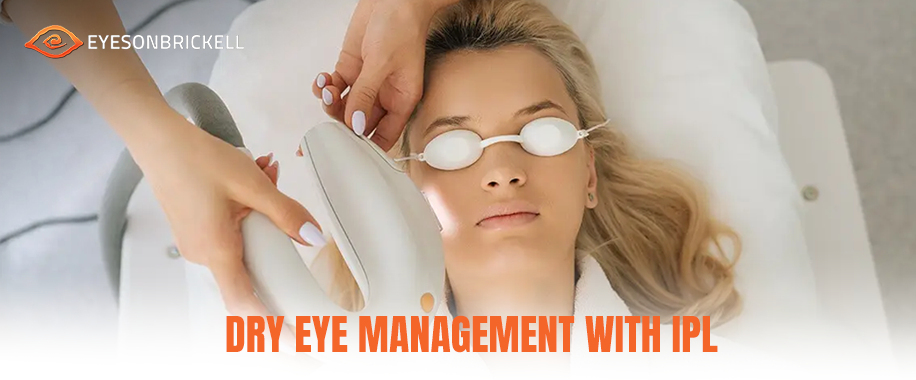
- Protective shields are placed over the eyes.
- A cooling gel is applied to the skin around the eyelids.
- Controlled pulses of light are delivered to the treatment area.
- The doctor may perform gland expression afterward to improve oil flow.
The entire session usually takes 15–20 minutes.
Most treatment plans include 3–4 sessions spaced a few weeks apart for optimal results.
Benefits of IPL for Dry Eye
Patients often notice several benefits after completing IPL therapy.
Key advantages include:
- Long-lasting relief from dry eye symptoms
- Improved tear film stability
- Reduced eyelid inflammation
- Non-invasive treatment with minimal downtime
- Enhanced eye comfort and clearer vision
Because IPL addresses the underlying cause rather than just symptoms, it has become one of the most promising treatments available today.
Are There Any Risks?
IPL is considered a safe procedure when performed by trained eye care professionals.
Side effects are usually minimal and may include:
- Mild redness around the treatment area
- Temporary skin sensitivity
- Slight warmth during treatment
These effects typically resolve quickly after the session.
How Long Do Results Last?
Many patients begin noticing improvement after the first or second treatment session. However, the best results usually appear after completing the full series of treatments.
Depending on the severity of the condition, some patients may benefit from maintenance sessions once or twice a year.
Why Early Treatment Matters
Ignoring dry eye symptoms can lead to worsening irritation, inflammation, and even damage to the eye surface. Seeking professional care early can help prevent long-term complications and restore comfort.
If over-the-counter drops are no longer working, advanced treatments like IPL may be the next step toward lasting relief.
Find Advanced Dry Eye
If you’re struggling with persistent dry eye symptoms, expert care can make all the difference. At Eyes On Brickell, patients receive personalized evaluations and advanced solutions designed to target the root cause of dry eye.
Their experienced team offers modern treatments, including IPL therapy, to help improve tear quality, restore gland function, and bring long-term relief to patients dealing with chronic dry eye.
Visit 2885 SW 3rd Ave, Suite 100, Miami, FL 33129 to schedule your appointment at Eyes on Brickell today and take the next step toward a healthier, clearer vision.
FAQs
1. Can IPL treatment permanently cure chronic dry eye?
IPL treatment may not permanently cure chronic dry eye, but it can significantly reduce symptoms by improving the function of the meibomian glands and stabilizing the tear film.
2. How many IPL sessions are needed for dry eye treatment?
Most patients require 3–4 IPL sessions spaced a few weeks apart to achieve the best results. Your eye doctor will recommend a personalized treatment plan.
3. Is IPL treatment safe for dry eye?
Yes, IPL treatment is considered safe when performed by trained eye care professionals. The procedure is non-invasive and usually causes minimal discomfort.
4. Who is a good candidate for IPL dry eye treatment?
Patients who suffer from chronic dry eye, especially due to Meibomian Gland Dysfunction (MGD), and who have not found relief from artificial tears or medications may benefit from IPL treatment.
5. How long do the results of IPL treatment last?
Many patients experience relief for several months after completing the treatment series. Some individuals may benefit from maintenance sessions once or twice a year.