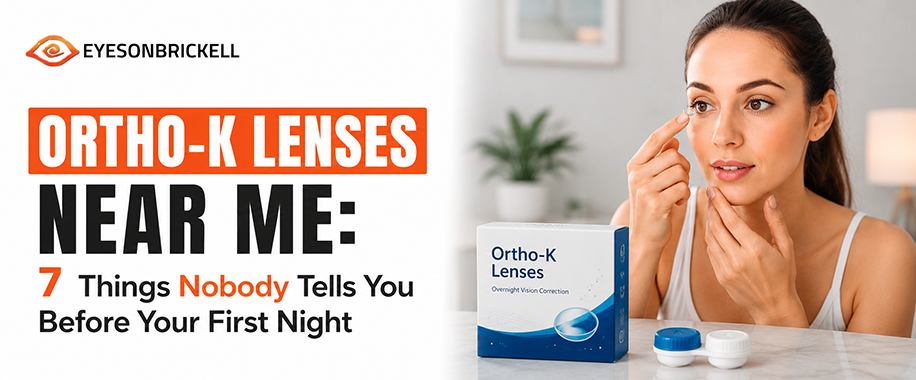
Ortho-K Lenses Near Me: 7 Things Nobody Tells You Before Your First Night
You’ve probably already read the clinical explanation of ortho-k: custom lenses, worn overnight, reshape your cornea, wake up seeing clearly. That part is easy to find. What’s harder to find is what it’s actually like: the small surprises, the moment of doubt on night one, the question you’re embarrassed to ask your optometrist out loud.
So instead of another “here’s how it works” rundown, this is the version built around what people searching “ortho k lenses near me” actually want to know before they book a consultation.
1. The First Night Feels Weirder Than You’d Expect Then It Doesn’t
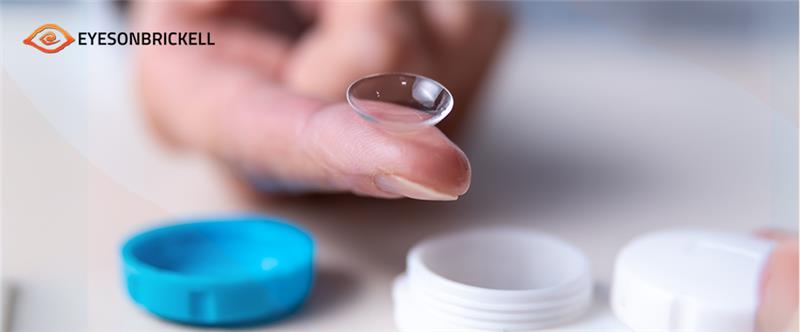
Nobody tells you that putting a rigid lens in your eye and then closing your eyes to sleep feels, for about the first ten minutes, deeply unnatural. You’ll blink more. You might tear up. You’ll be very aware that something is there. This is normal, and it fades faster than you think most people say the sensation is gone before they actually fall asleep, and by night three or four, they stop noticing it entirely.
The people who quit early are almost always the ones who didn’t know this part was coming and assumed something was wrong. It wasn’t. Ask your provider directly what “normal” adjustment feels like versus what a good clinic will tell you before you ever put the lens in.
2. Your Vision Won’t Be Perfect on Day One And That’s Expected
There’s a myth that ortho-k works like a light switch. It doesn’t. Most people notice real improvement the very next morning, but “clear” and “fully corrected” are two different milestones. Vision typically keeps sharpening over 7 to 14 nights as your cornea gradually settles into its new shape. If your prescription is on the higher end, that stabilization period runs longer, not because anything’s wrong, but because there’s simply more reshaping to do.
The practical upshot: don’t judge the whole treatment off day one. Judge it after week two.
3. It’s Not Actually a “Set It and Forget It” Treatment
This is the part that surprises people most: ortho-k isn’t a one-time fix like it sometimes gets marketed. The correction is temporary by design that’s what makes it reversible and safe for kids. Skip a few nights, and your vision starts drifting back toward baseline within days.
That’s not a flaw; it’s the whole mechanism. But it does mean ortho-k is closer to wearing a retainer after braces than it is to a permanent fix. If you want a “wear it once and I’m done forever” solution, that’s a LASIK conversation, not an ortho-k one. Our full breakdown of ortho-k vs. traditional contact lenses covers that comparison in more depth.
4. The “Near Me” Part Actually Matters More Than People Realize
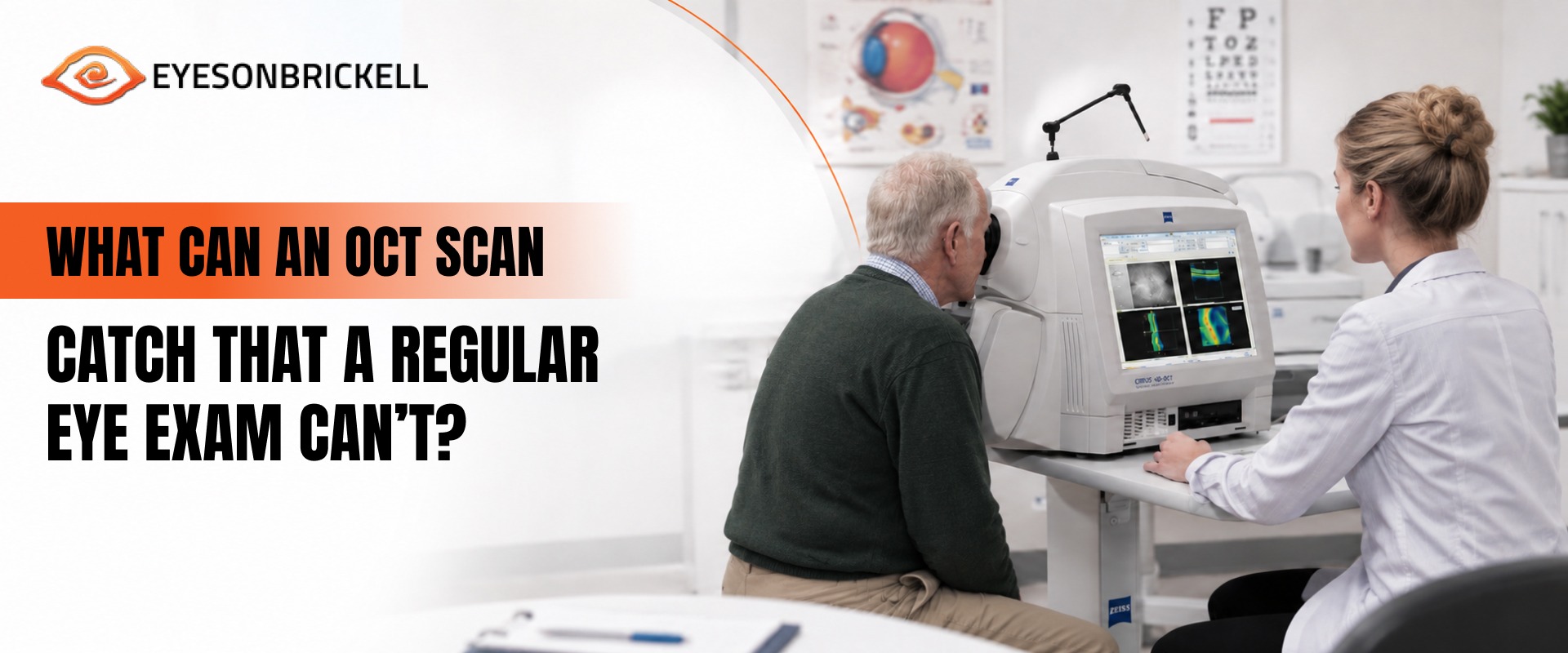
Ortho-k isn’t a lens you can grab off a shelf or order sight-unseen online. Every set is custom-designed from a corneal topography to scan a map of the exact curvature of your eye and the fitting process usually involves a few follow-up visits to fine-tune it. That means your results depend heavily on the skill of the specific provider mapping and fitting your lenses, not just the lens brand itself.
This is why “ortho k lenses near me” is genuinely the right way to search. You’re not shopping for a product, you’re choosing a fitter. A rushed or inexperienced fitting is the most common reason people say ortho-k “didn’t work for them.” Our guide on how to choose the right ortho-k clinic for long-term results walks through exactly what to ask before you commit.
5. Kids Often Adjust Faster Than Adults Do
If you’re researching this for your child’s myopia rather than yourself, here’s something reassuring: children’s corneas tend to reshape more readily than adult corneas, and kids are often less anxious about the process than parents expect. The bigger adjustment curve is usually on the parent’s side learning to help with insertion and removal at first, before the child takes it over independently.
Ortho-k has become one of the most commonly recommended options for managing progressive myopia in kids precisely because it doesn’t involve surgery and can start well before a child would ever be a LASIK candidate. If lifestyle fit is your main question for a child or yourself this guide to active lifestyle vision correction is a good next read.
6. Cost Conversations Are More Flexible Than the Sticker Price Suggests
The upfront number for ortho-k commonly somewhere in the $1,000 to $4,000 range depending on prescription complexity can look intimidating next to a $100 box of daily contacts. What that number doesn’t show is the other side of the ledger: ortho-k lenses typically last 16 to 24 months, so you’re not restocking every month. Most clinics also offer financing, and HSA/FSA funds often apply.
The honest move is to ask your provider for a real, itemized number based on your prescription rather than anchoring on a national average pricing swings quite a bit based on how complex your fitting is.
7. The Real Deciding Factor Isn’t the Lens It’s the Follow-Up Care
Almost every “is ortho-k worth it” story that goes badly traces back to the same root cause: not enough follow-up visits, or a provider who wasn’t reachable when something fell off during adjustment. Almost every story that goes well traces back to the opposite of a clinic that scheduled a next-morning check, stayed available during the first couple of weeks, and treated the fitting as an ongoing process rather than a one-time transaction.
When you’re comparing providers, that’s the question worth asking directly: what does follow-up care look like in the first month? The answer tells you more than any brochure will.
Is Ortho-K Worth It?
For the right candidate, mild to moderate myopia, a lifestyle that doesn’t mesh well with daytime contacts, or a child whose prescription keeps climbing, most people who stick with ortho-k past the adjustment period say they wouldn’t go back. For the wrong candidate, or with a rushed fitting, it can feel like more hassle than it’s worth. The difference usually isn’t the technology. It’s the fit, the follow-up, and knowing what to expect going in which, hopefully, this just gave you. Still weighing it? Is Ortho-K Right for You? digs into candidacy in more detail.
The best next step isn’t Googling further, it’s a comprehensive eye exam and corneal mapping with a provider who can tell you, specifically, whether your eyes are a good match.
Curious whether ortho-k fits your eyes and your lifestyle? Book a consultation with Eyes on Brickell and get a real answer instead of another generic search result.