Red Eye Treatment: Causes of Bloodshot Eyes and How to Treat Them Fast
Medically reviewed for Eyes on Brickell by the practice’s Miami-Brickell optometry team. Published July 2026.
You catch your reflection in the elevator mirror on your way into the office and there it is again, your eyes look bloodshot, tired, and a little alarming, even though you feel mostly fine. Red, bloodshot eyes are one of the most common reasons people search for an eye doctor, and most of the time the fix is simpler than the mirror makes it look. But “most of the time” isn’t “always,” and knowing the difference is the whole point of this guide.
This guide walks through what actually causes red and bloodshot eyes, which home remedies and over-the-counter drops genuinely help (and which can quietly make things worse), the specific symptoms that mean it’s time to stop self-treating and see an eye doctor, and how our team at Eyes on Brickell approaches red eye treatment for patients across Brickell and greater Miami.
What “Red Eye” and “Bloodshot Eyes” Actually Mean
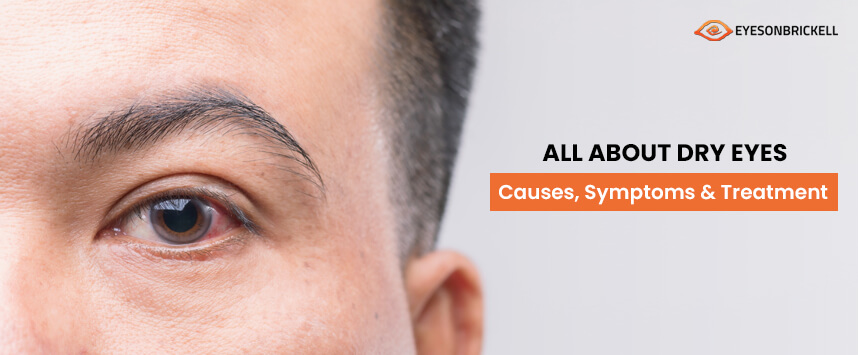
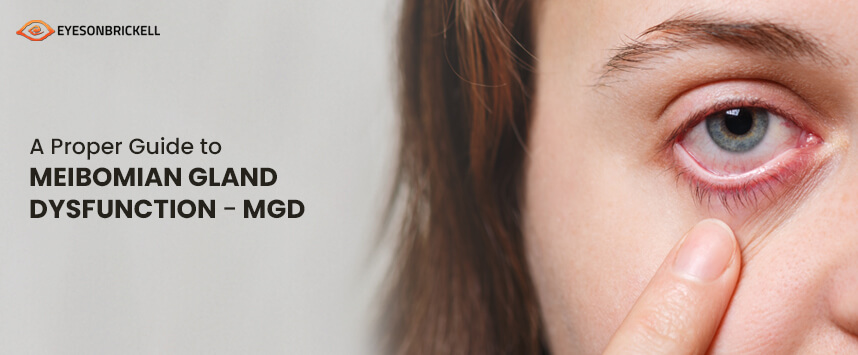
“Red eye” is the general medical term for any eye that looks pink, red, or irritated. “Bloodshot eyes” describes the specific visual pattern most people notice: thin red lines or a general pink tint across the white of the eye (the sclera), caused by the tiny blood vessels on the eye’s surface expanding, or dilating.
Those vessels are normally so small they’re nearly invisible. When something irritates, dries out, or inflames the eye, the vessels widen to bring more blood flow to the area — the same reason skin flushes red when it’s irritated. The redness itself is rarely dangerous. It’s a signal, not a diagnosis, and the right red eye treatment depends entirely on what’s triggering that signal.
Is It Bloodshot Eyes or Pink Eye? Here’s the Difference
This is the single most common point of confusion, and it matters because one is a simple irritation and the other can be contagious. Bloodshot eyes from dryness, allergies, strain, or minor irritation are usually painless, don’t produce discharge, and affect both eyes evenly. Pink eye (conjunctivitis) usually comes with a gritty or itchy feeling, watery or thick discharge, crusting (especially noticeable after sleep), and is often
spread from one eye to the other over a day or two. If discharge or crusting is part of the picture, treat it as pink eye, not simple redness, and get it checked.
Common Causes of Bloodshot Red Eyes
Here’s a quick-reference table for the causes we see most often, and what tends to help with each one.
| Likely Cause | Typical Pattern | What Helps |
|---|---|---|
| Dry Eye Disease | Gritty, burning sensation that gets worse by the end of the day or after prolonged screen use; usually affects both eyes | Preservative-free artificial tears, frequent blinking breaks, and using a humidifier |
| Allergies | Itchy, watery eyes with redness; often occurs with sneezing or a stuffy nose; commonly affects both eyes | Antihistamine eye drops, cold compresses, and avoiding known allergens |
| Digital Eye Strain | Redness along with tired, heavy-feeling eyes after extended computer, tablet, or phone use | Follow the 20-20-20 rule, take screen breaks, and use artificial tears if needed |
| Contact Lens Irritation | Redness that improves after removing contact lenses; may occur due to improper wear, old lenses, or dryness | Remove lenses, switch to glasses temporarily, replace old lenses, and review wearing habits with your eye doctor |
| Lack of Sleep / Alcohol / Smoke Exposure | Redness linked to a specific night or event; usually improves within a day | Get adequate rest, stay hydrated, and use lubricating eye drops |
| Subconjunctival Hemorrhage | Sudden, painless bright-red patch on the white part of the eye, often after coughing, straining, or minor injury | Usually clears on its own within 1–2 weeks; consult a doctor if it happens repeatedly |
| Conjunctivitis (Pink Eye) | Redness with discharge, crusting, irritation, or a gritty feeling; may be contagious | Requires an eye doctor visit to determine whether the cause is viral, bacterial, or allergic |
If you can match your symptoms to one row above, you likely have a good starting point. If nothing quite fits, or more than one seems to apply, that’s a good reason to have it looked at rather than guess.
Home Remedies That Actually Work
- Cool or lukewarm compress: a clean, damp washcloth over closed eyes for 5-10 minutes calms irritation and reduces the appearance of redness for most causes.
- Preservative-free artificial tears: these rehydrate the eye’s surface and are safe to use several times a day without the risks that come with medicated drops.
- Rest your eyes: give screens a break using the 20-20-20 rule, every 20 minutes, look at something 20 feet away for 20 seconds.
- Remove contact lenses: switch to glasses until the redness clears, and don’t sleep in lenses that aren’t approved for overnight wear.
- Stay hydrated and get real sleep: dehydration and short sleep are two of the most common, most overlooked causes of “why do my eyes look bloodshot every morning.”
These steps handle the majority of mild, everyday redness. What they won’t do is fix an infection, an allergy flare, or an underlying eye condition, that’s where over-the-counter drops and, if needed, a doctor’s visit come in.
Over-the-Counter Red Eye Treatment: What to Use, and What to Avoid
Not all eye drops solve the same problem, and the wrong one can leave you more dependent on it than when you started.
| Drop Type | What It Does | Watch Out For |
|---|---|---|
| Artificial Tears (Preservative-Free) | Lubricates and rinses the eye; safe for frequent and daily use | Does not treat redness caused by allergies or infections alone |
| Decongestant Drops (e.g., Tetrahydrozoline, Naphazoline) | Shrinks blood vessels to provide fast, short-term whitening of the eyes | Should not be used for more than 2–3 days; frequent use can cause rebound redness |
| Low-Dose Brimonidine (e.g., Lumify) | Reduces eye redness with a lower risk of rebound redness compared to older decongestant drops | Does not treat the underlying cause of redness; consult your eye doctor if used frequently |
| Antihistamine Eye Drops | Specifically target itching and redness caused by allergies | Less effective for redness caused by non-allergic conditions |
The rebound redness warning worth remembering:
Traditional decongestant eye drops work by constricting blood vessels. Used for more than a few days in a row, the eye can become dependent on that effect, and redness often comes back worse once the drops wear off, a cycle called rebound redness. If you find yourself reaching for redness-relieving drops daily, that’s a sign to see an eye doctor rather than a sign to use more.
When Red Eyes Are a Medical Emergency
Most red eyes clears up with rest, lubrication, or simple avoidance of the trigger. A smaller number of cases need urgent attention. Treat any of the following as reasons to seek care the same day, not “wait and see”:
- Sudden, severe eye pain, or pain that worsens rather than improves.
- Sudden vision loss, blurring, or halos around lights.
- Light sensitivity that’s new or severe.
- A red eye following a chemical splash, injury, or foreign object in the eye.
- A red eye with a fever, headache, or nausea.
- Discharge that’s thick, colored, or accompanied by crusted-shut eyelids in the morning.
Any one of these warrants same-day evaluation rather than home treatment.
When to See an Eye Doctor (Even Without Emergency Symptoms)
Redness lasts longer than 48 hours to a week despite home care
It keeps coming back in the same eye, or in both eyes, every few days
- You’re a contact lens wearer with any redness, since infections progress faster in lens wearers.
- Over-the-counter drops stop working, or you’re using redness-relieving drops most days.
- You’re not sure whether it’s simple irritation or something more.
As a general rule: red eyes that resolve within a day or two with rest and lubrication are rarely worrying. Red eyes that persist, recur, or come with any of the emergency signs above deserve a professional look.
Red Eye Treatment in Brickell & Miami: What to Expect at Eyes on Brickell
Miami’s climate and lifestyle create a specific set of red-eye triggers we see constantly in Brickell: strong air conditioning drying out the eyes, high pollen and mold counts for much of the year, heavy screen use in the neighborhood’s dense concentration of office workers, saltwater and sunscreen exposure from the beach and pool, and long days in contact lenses for professionals commuting and working in the area.
When you come in for red eye treatment in Brickell, our optometrists start with a focused eye exam to check the surface of the eye, eyelids, and tear quality, distinguish between dryness, allergy, strain, infection, or something less common, and rule out the handful of more serious conditions that can hide behind ordinary-looking redness.
From there, treatment is tailored: prescription-strength lubricants or anti-inflammatory drops for chronic dryness, allergy-specific drops for seasonal triggers, short-course antibiotic or antiviral treatment if an infection is confirmed, and practical guidance on contact lens habits if that’s the culprit.
If you’re searching for red eyes treatment in Miami and want a same-day answer rather than another article, our Brickell office can typically see new and existing patients quickly.
Prevention: Keeping Redness From Coming Back
- Use preservative-free artificial tears proactively during long screen sessions or dry, air-conditioned days, not just after redness appears.
- Replace contact lenses on schedule and never sleep in daily or non-overnight lenses.
- Keep a seasonal antihistamine drop on hand if you have a known allergy pattern.
- Wash pillowcases and hands regularly, and avoid rubbing your eyes.
- Get a comprehensive eye exam at least once a year, since recurring redness sometimes points to an underlying dry eye or eyelid condition worth managing proactively.
In the Nutshell
Bloodshot eyes are common, usually harmless, and often respond well to rest, hydration, and the right eye drops. The exceptions, pain, vision changes, discharge, or redness that won’t quit, are worth a same-day conversation with an eye doctor rather than another week of guessing. If you’re in Brickell or greater Miami and want a clear answer instead of another home remedy, our team is ready to help.
If you are in Brickell or the greater Miami area and need a clear answer about your eye health, visit 2885 SW 3rd Ave Suite 100, Miami FL 33129 to schedule a comprehensive eye evaluation.
Frequently Asked Questions
1. What is the fastest way to treat red eyes?
For most everyday redness, a cool compress plus preservative-free artificial tears brings noticeable improvement within minutes to a few hours. Decongestant or low-dose brimonidine drops whiten the eye faster but should be used only for a few days at a time to avoid rebound redness.
2. Why are my eyes bloodshot every morning?
Morning bloodshot eyes are usually tied to dryness overnight, air conditioning, allergens on bedding, or sleeping in contact lenses. If it happens most mornings, a humidifier and a nightly lubricating gel are worth trying before assuming something more serious.
3. Can stress cause red eyes?
Stress itself doesn’t directly redden the eyes, but it’s strongly linked to poor sleep, increased screen time, and reduced blinking, all common contributors to redness.
4. Is it safe to use redness-relieving eye drops every day?
No. Daily use of traditional decongestant drops is the most common cause of rebound redness, where the eye becomes dependent on the drops and looks worse without them. If you need drops daily, see an eye doctor rather than continuing the same product long-term.
5. How long should bloodshot eyes last before I worry?
Simple redness from strain, dryness, or a late night typically clears within a day or two. Redness lasting longer than a week, recurring frequently, or accompanied by pain, discharge, or vision changes should be evaluated by an eye doctor.
6. Are bloodshot eyes the same as pink eyes?
Not necessarily. Bloodshot eyes describe the redness itself, which has many possible causes. Pink eye (conjunctivitis) is one specific cause, identified by additional symptoms like discharge, crusting, and contagiousness.