Can an Online Astigmatism Test Be Trusted? What Happens During a Clinical Exam
You notice that road signs look slightly blurry. Text on your phone seems less sharp than it used to. At night, lights may even appear stretched or surrounded by glare. So you search for an astigmatism test online to see if astigmatism could be the reason.
An online test can be a useful first step. It may help you notice that your vision needs attention. But it cannot replace a clinical eye exam. Astigmatism is diagnosed through an eye examination that includes refraction and, when needed, other measurements of the eyes.
So, how much can you trust an online result? And what actually happens when you see an eye doctor?
What Does an Online Astigmatism Test Actually Check?
Most online vision tests use letters, shapes, or patterns to check how clearly you can see. Some may include questions about symptoms such as blurry vision or difficulty seeing at night.
This can make an astigmatism test convenient when you first notice a change in your vision. It can give you a reason to arrange an eye exam.
However, the result can be affected by your screen size, viewing distance, lighting, and how you follow the instructions. An online test also cannot perform the full range of measurements used during a clinical examination.
That is why an online result should be treated as a screening result, not a diagnosis.
Can an Online Astigmatism Test Confirm Astigmatism?
No, an online astigmatism test cannot confirm that you have astigmatism. It may help you notice that your vision is blurry or distorted, but only a clinical eye exam can properly diagnose astigmatism.
During a clinical exam, an eye doctor checks how clearly you see and measures how your eyes bend light. Refraction helps determine your prescription, including the amount and axis of astigmatism. Your doctor may also check the shape of your cornea and overall eye health when needed.
This is important because blurry vision does not always mean astigmatism. Nearsightedness, farsightedness, dry eyes, and other eye conditions can cause similar symptoms.
So, if an online test suggests that you may have a vision problem, treat it as a reason to book an eye exam, not as a final diagnosis.
What Happens During a Clinical Astigmatism Exam?
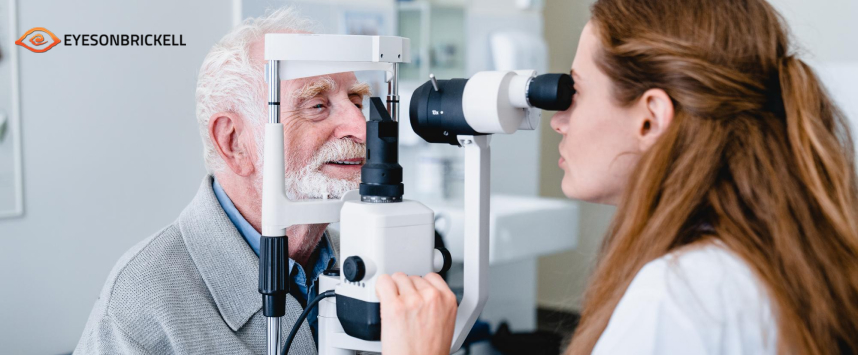
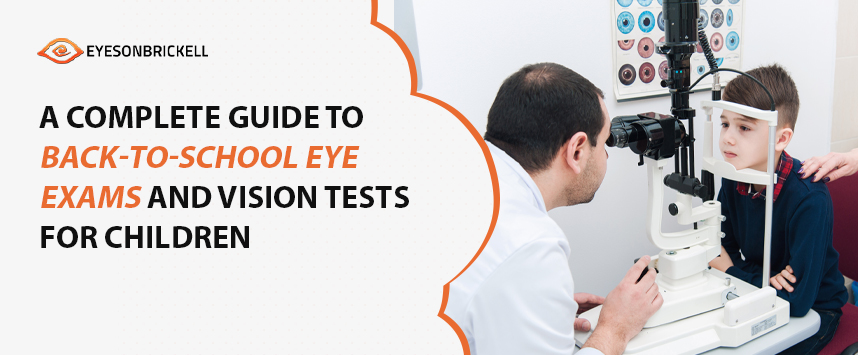
A clinical examination is more than reading letters from a chart. Your eye doctor may use several tests to understand both your vision and eye health.
1. Visual Acuity Test
You will usually read letters or symbols from a set distance. Each eye may be tested separately. This gives the doctor a starting point for understanding how clearly you see.
2. Refraction Test
Next, you may look through different lenses while comparing which ones make the letters clearer. This is an important part of an astigmatism test because refraction helps determine the prescription needed for clear vision. Your doctor may use different instruments and lens combinations during this process.
You may hear terms such as sphere, cylinder, and axis when discussing your prescription. The cylinder and axis describe the astigmatism correction.
3. Objective Measurements
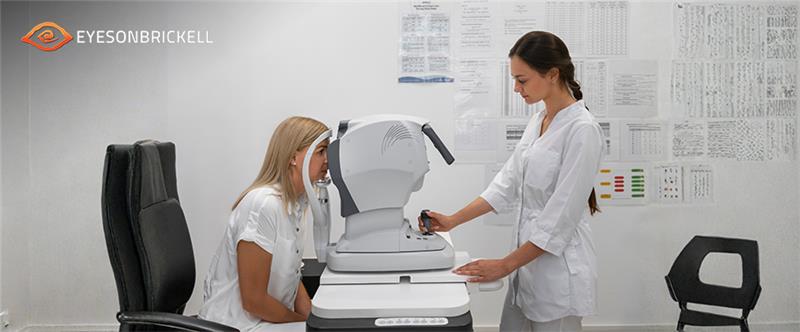
Your doctor may also use an instrument to estimate your refractive error before refining it through the lens comparison. These measurements give the doctor additional information about how your eyes focus light.
4. Corneal Measurements When Needed
In some cases, your doctor may need a closer look at the shape of your cornea. Additional corneal measurements can be useful when the eye’s surface needs further evaluation or when a specialty contact lens may be considered.
This is especially relevant for people who have significant astigmatism or irregular corneal shapes.
5. Eye Health Examination
An astigmatism test should not be viewed only as a way to get a glasses prescription. A comprehensive eye exam can also assess the health of your eyes. Depending on your symptoms and examination findings, your doctor may recommend additional tests.
This helps separate a simple refractive error from other reasons for blurry or uncomfortable vision.
Why Can an Online Test and Eye Exam Give Different Results?
An online test and a clinical eye exam do not use the same testing conditions. So, getting different results is possible.
Your screen size, viewing distance, lighting, and position can affect how you see an online test. Your answers may also change if you are tired or do not follow the instructions closely.
There is another important difference. An online test usually checks only limited aspects of your vision. A clinical exam uses standardized testing and can include several measurements to understand how your eyes focus.
That is why a professional astigmatism test can give a clearer picture of your vision and help determine the right prescription.
What Symptoms Should Prompt an Eye Exam?
If you notice persistent blurry or distorted vision, frequent headaches, eyestrain, squinting, glare, or difficulty seeing clearly at night, consider scheduling an eye exam.
- Blurry or distorted vision.
- Frequent squinting.
- Headaches or eyestrain.
- Difficulty seeing clearly at night.
- Glare around lights.
- Trouble seeing distant objects.
- Difficulty reading clearly.
These symptoms can occur with astigmatism, but they do not prove that astigmatism is the cause. If the symptoms are new, persistent, or affecting your daily activities, an in-person examination can help identify the reason.
So, Should You Use an Online Astigmatism Test?
You can use an online test as a starting point. It may help you decide that it is time to have your vision checked. But do not use an online result to choose a prescription yourself.
A clinical examination can measure your refractive error and assess your eye health at the same time. That gives you information an online screening cannot provide.
What Can a Clinical Exam Tell You That an Online Test Cannot?
A clinical exam can measure your prescription accurately and check your eye health for other problems that may affect your vision.
- Whether you have astigmatism.
- How much astigmatism you have.
- The axis of astigmatism.
- Whether you also have nearsightedness or farsightedness.
- Whether your cornea needs further evaluation.
- Whether another eye problem may be affecting your vision.
- Which type of vision correction may be appropriate.
This is why a clinical astigmatism test remains important even if an online screening suggests astigmatism.
Ready to Get Your Vision Checked?
If blurry or distorted vision is making it harder to read, drive, work, or see clearly at night, an eye exam can help identify what may be causing it. At Eyes on Brickell, you can have your vision and eye health evaluated by an eye-care professional.
Visit us at : 2885 SW 3rd Ave Suite 100, Miami FL 33129, to schedule your appointment.
FAQs
1. Can an online astigmatism test diagnose astigmatism?
No. An online test can suggest a possible vision problem, but only a clinical eye exam can properly diagnose astigmatism.
2. Are online astigmatism tests accurate?
Online tests can provide a useful screening result, but screen size, lighting, viewing distance, and testing conditions can affect their results.
3. What does an astigmatism test check?
A clinical test checks visual clarity and refractive error. It helps determine whether astigmatism is present and the prescription needed for correction.
4. What happens during an astigmatism eye exam?
An eye doctor may check visual acuity, perform refraction, measure how your eyes focus light, and examine overall eye health.
5. What are the symptoms of astigmatism?
Common symptoms include blurred or distorted vision, eyestrain, headaches, squinting, and difficulty seeing clearly at night.
6. Can astigmatism change over time?
Yes. Your prescription can change over time, so regular eye examinations can help determine whether your current vision correction remains appropriate.