What Happens During a Gonioscopy Test for Glaucoma in Miami?
If you are experiencing changes in vision, rising eye pressure, or have a family history of glaucoma, your eye doctor may recommend a gonioscopy for glaucoma.
This test plays an important role in understanding how fluid drains from the eye and whether there is a risk of glaucoma developing or progressing.
For patients in Miami, where routine eye strain, sun exposure, and age-related vision concerns are common, early screening through a gonioscopy eye test can make a significant difference in long-term eye health.
What Is a Gonioscopy Test?
A gonioscopy test is a diagnostic eye examination used to check the drainage angle of the eye. This angle sits between the iris and cornea and controls how fluid exits the eye.
During the test, a special lens is placed on the eye so the doctor can clearly view this drainage system.
It helps identify whether the angle is open, narrow, or closed. This information is essential in diagnosing different types of glaucoma and planning treatment.
The gonioscopy test is safe, quick, and commonly included in a full glaucoma evaluation.
Key points about the gonioscopy test:
- Examines the eye’s drainage angle in detail.
- Helps to detect early signs of glaucoma.
- Uses a special lens for a clear internal view.
- Performed in a clinic setting by an eye specialist.
- Usually completed within a few minutes.
- Helps guide treatment decisions for eye pressure control.
Why Gonioscopy Matters for Glaucoma Detection
Glaucoma often develops silently. Many people do not notice symptoms until vision is already affected.
The Gonioscopy Screening in Miami, helps eye specialists look directly at the drainage angle inside the eye, which controls internal eye pressure.
When this angle is blocked or too narrow, fluid cannot drain properly, which may lead to increased pressure and damage to the optic nerve.
This is why gonioscopy for glaucoma is considered a key diagnostic step in preventing vision loss before it becomes permanent.
Why it is important:
- Detects glaucoma risk at an early stage.
- Identifies blocked or narrow drainage angles.
- Helps prevent irreversible optic nerve damage.
- Supports timely and accurate treatment planning.
- Improves long term vision protection outcomes.
What Happens During a Gonioscopy Test
A gonioscopy test is a simple, quick, and safe procedure that is usually performed as part of a routine eye examination.
It does not require any special preparation, and patients can return to normal activities shortly after the test.
The main goal is to allow the eye specialist to clearly view the drainage angle inside the eye, which is essential for evaluating glaucoma risk.
Step 1: Eye Numbing Drops are Used
Before the test begins, the doctor places special numbing drops into your eyes. These drops gently reduce sensation on the surface of the eye, ensuring complete comfort throughout the procedure.
You remain awake and aware, but you will not feel pain during the test. This step also helps prevent blinking or discomfort when the lens is placed.
Step 2: A Special Lens is Gently Placed
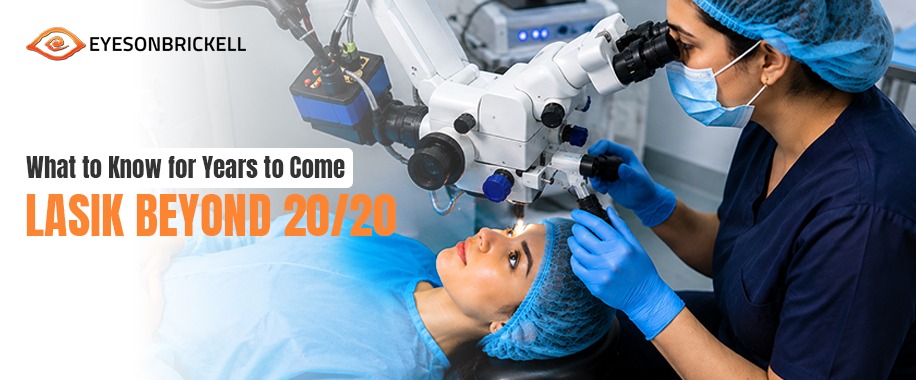
Once the eye is numbed, the doctor carefully places a small contact lens on the surface of the eye.
This lens is designed with mirrors that allow the doctor to view the drainage angle, which is located at the front part of the eye between the iris and cornea.
This area cannot be seen with regular examination tools. The lens may feel slightly unusual at first, but it is not painful and stays in place only for a short time.
Step 3: Examination Under a Slit Lamp
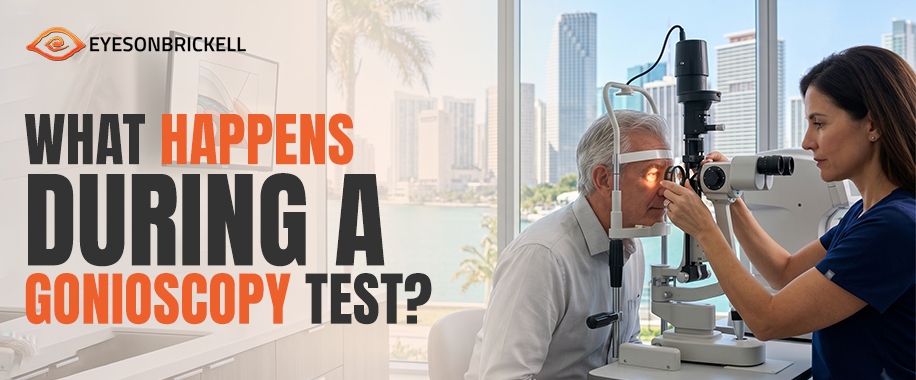
You will then sit in front of a slit lamp microscope, which is a specialized device used in eye care.
The doctor shines a focused beam of light into the eye while examining the internal structures through the lens.
By adjusting the angle and brightness, the specialist carefully evaluates how well fluid is draining from the eye.
This step is important for identifying signs of glaucoma or any narrowing in the drainage system.
Step 4: Quick and Comfortable Evaluation
The entire gonioscopy eye test is usually completed within a few minutes for each eye. Most patients describe only a mild sensation of pressure from the lens, but no pain or discomfort.
After the lens is removed, the eye may feel slightly sensitive for a short time, but this quickly resolves.
Overall, the procedure is straightforward and plays a critical role in detecting early glaucoma changes before vision is affected.
What Happens After the Test
Once the gonioscopy is complete, your eye specialist will review the results with you immediately. If the drainage angle is healthy, regular monitoring may be recommended.
If any risk is detected, your doctor may suggest additional glaucoma tests or early treatment to protect your vision.
In many cases, patients are reassured that no immediate treatment is needed, which is one of the key benefits of early screening.
Why This Test Is Important for Patients
A Gonioscopy Screening in Miami helps eye specialists evaluate the drainage system of the eye before serious problems develop.
By understanding how fluid is flowing and whether the drainage angle is open or restricted, doctors can identify early signs of pressure imbalance that may lead to glaucoma.
It is particularly recommended for individuals who fall into higher risk categories, including:
- Family history of glaucoma, as genetic factors can significantly increase risk.
- Patients with diabetes or high blood pressure, which can affect blood vessels in the eye.
- Individuals above 40, where natural changes in eye structure become more common.
- Those with a history of eye injuries, which may impact drainage function.
For these groups, routine monitoring using a gonioscopy eye test can provide important insight into eye health that may not be detected through standard vision checks alone.
Choosing the Right Eye Care in Miami
Getting accurate results depends on both technology and expertise. Clinics offering the Best Gonioscopy Screening in Miami focus on early detection, detailed evaluation, and personalized eye care planning.
At Eyes On Brickell, gonioscopy is part of a comprehensive approach to glaucoma screening, helping patients understand their eye health clearly.
If you are in Miami and noticing vision changes, scheduling a gonioscopy screening early can help protect your eyesight. Visit us at: 2885 SW 3rd Ave, Suite 100, Miami, FL 33129.
FAQs
1. What is a gonioscopy for glaucoma used for?
A gonioscopy for glaucoma is used to examine the drainage angle of the eye. It helps doctors understand how fluid exits the eye and whether there is a risk of high eye pressure or glaucoma.
2. Is the gonioscopy eye test painful?
No, the gonioscopy eye test is not painful. Numbing drops are used before the procedure, so most patients only feel slight pressure from the lens.
3. How long does a gonioscopy test take?
The gonioscopy test is quick and usually takes only a few minutes per eye. It is often done during a routine eye examination.
4. Who should get a Gonioscopy Screening in Miami?
A Gonioscopy Screening in Miami is recommended for people with a family history of glaucoma, diabetes, high blood pressure, age over 40, or previous eye injuries.
5. Why is gonioscopy important for eye health?
Gonioscopy is important because it helps detect early changes in eye pressure and drainage. Early detection allows timely treatment and helps protect vision from permanent damage.